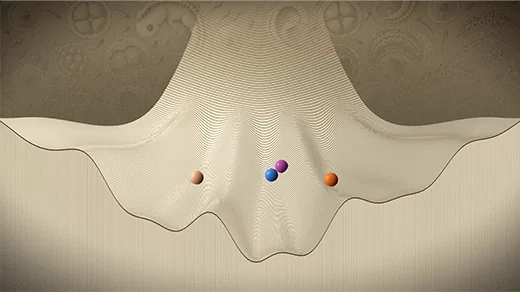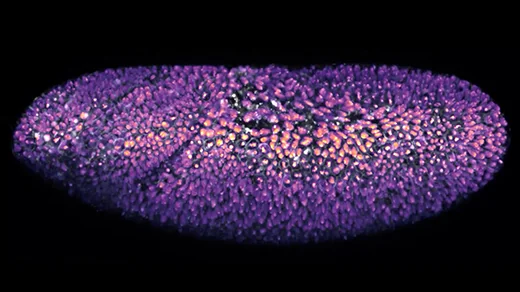
A cell's identity is usually attributed to its genes, but genes are only part of the story. As an embryo develops, cells take on different roles, and the chemical reactions that supply their energy and building materials change at the same time. A growing body of work suggests those metabolic changes are not a consequence of differentiation but a contributor to it.
The evidence comes from experiments in which altering the availability of specific metabolites shifts what a cell becomes. Some reactions produce molecules that attach to DNA and influence which genes can be read, effectively linking the cell's nutritional state to its future. Others generate the raw material for particular structures, making certain fates easier to reach than others.
The idea reframes metabolism as an active participant in development rather than a background utility. It also has clinical resonance: cancer cells often revert to unusual metabolic patterns, and understanding how metabolism normally guides cell fate may reveal why that reversion happens and how it might be reversed.