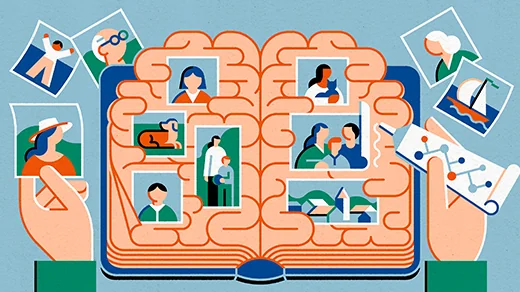
Memories can last a lifetime, but the molecules that hold them do not. Proteins in the brain are replaced within days or weeks, and synapses are continually remodelled. How, then, does a recollection survive when its physical substrate keeps turning over? An interaction between two proteins appears to provide part of the answer.
Researchers studying the persistence of memory identified a molecular partnership in which one protein stabilises the activity of another at specific synapses. The pair acts like a latch, keeping a connection strengthened even as the surrounding material is renewed. When the interaction is disrupted, memories that had been durable become fragile.
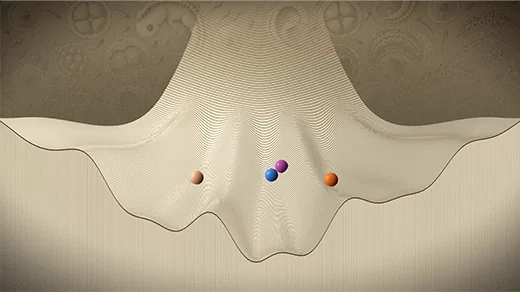
The finding addresses a long-standing puzzle in neuroscience and suggests a general principle: stability in the brain is not the absence of change but a dynamic equilibrium, in which constant turnover is balanced by molecular mechanisms that preserve the essential pattern. Understanding those mechanisms could inform efforts to treat memory loss, and it may also offer clues about why some memories strengthen with age while others quietly erode.