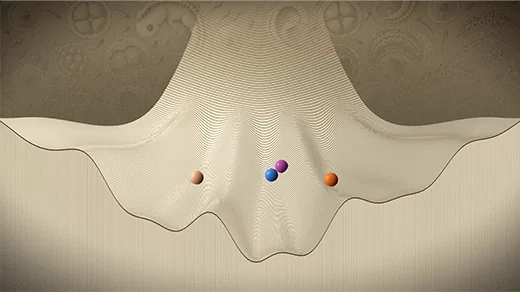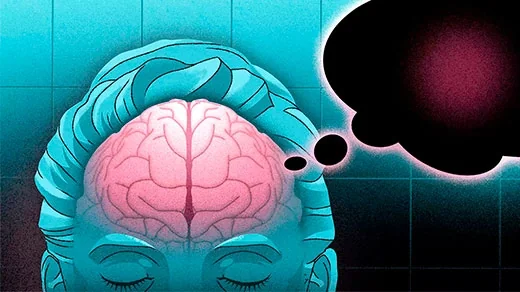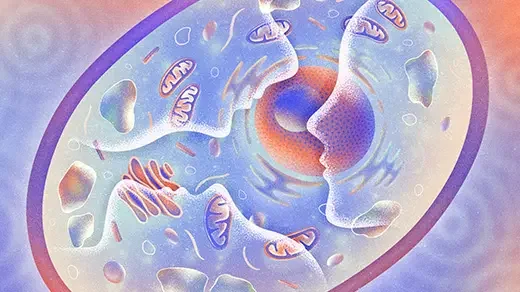
Memory is usually discussed as a property of nervous systems, but a small group of researchers is asking whether individual cells, including those without any connection to a brain, can record and retain information about past events. The question is fundamental, and the evidence so far is suggestive rather than conclusive.
Cells certainly carry traces of their history. Exposure to stress alters gene expression for days; encounters with pathogens leave the immune system better prepared; some tissues retain epigenetic marks from early development. Whether these changes amount to memory in any meaningful sense, rather than simply altered state, is where the debate begins.
Researchers are revisiting overlooked experiments from decades past and designing new ones with modern tools, looking for responses that depend on what a cell experienced before rather than only on current conditions. If such effects are real and common, they would change how biologists think about cellular decision-making and about the boundary between memory and mere adaptation.