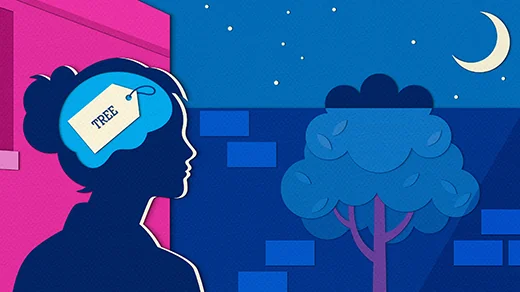
Every waking moment, your brain sorts an overwhelming flood of sensory detail into categories: friend or stranger, safe or risky, edible or not. The classic textbook version of this process treats the brain like a cabinet, matching each new input against a stored template. A newer framework describes something far more active, in which the brain constantly predicts what it is about to encounter and updates those predictions when reality disagrees.
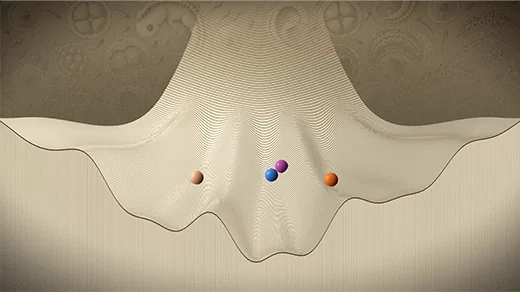
The shift matters because it changes what a category is. Instead of a fixed box, a category becomes a flexible boundary that tightens or loosens depending on context, attention and experience. The same face can read as familiar in one setting and threatening in another, not because the sensory data changed but because the expectations around it did.
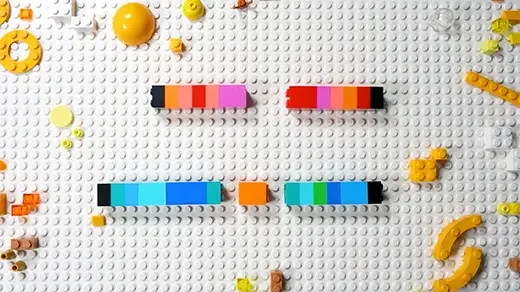
Researchers say this predictive account explains several stubborn findings, including why ambiguous images flip back and forth in perception and why expertise sharpens some distinctions while blurring others. Compression, in this view, is not the loss of information but a strategic bet about what will matter next.