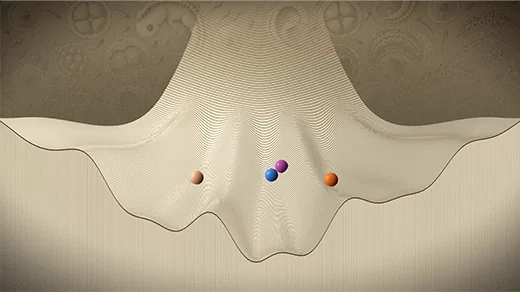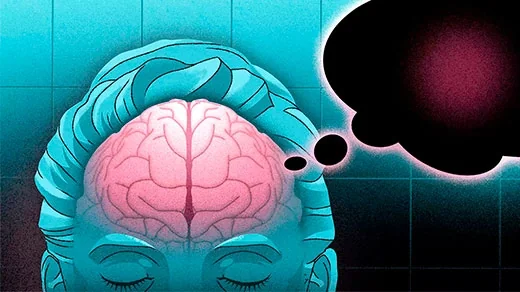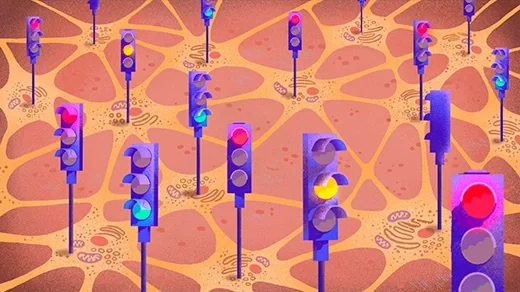
A brain that only excites itself would seize; one that only inhibits would fall silent. Healthy function depends on a balance between the neurons that drive activity and those that restrain it, and neuroscientists have spent decades trying to define where that balance sits and how it is maintained.
New work suggests the picture is messier than the tidy division implies. Cells once assigned firmly to one camp turn out to release both kinds of signals, sometimes at different times or to different targets. The lines between excitatory and inhibitory neurons are blurrier than the names suggest, and the same cell may play either role depending on context.
The finding complicates efforts to model brain circuits and to interpret the imbalances observed in epilepsy, autism and schizophrenia. It also suggests that therapeutic strategies aimed at simply turning excitation down or inhibition up may be too crude. What matters is not the level of either force alone, but the relationship between them.