Tip a glass of wine and you may notice liquid climbing the sides and forming droplets that slide back down. These tears are the result of a surface-tension gradient, driven by evaporation, that pulls fluid upward along the glass. The same physical effect shapes much more than a drink: researchers have found that embryos use comparable forces to fold and pattern their own tissues.
The mechanism works by creating tension differences across a surface. Where fluid evaporates, the remaining liquid pulls harder on its neighbours, and the resulting flow can move material against gravity or deform a soft sheet. In developing tissue, gradients in surface tension can bend layers, draw cells into new positions and carve out structures such as folds and cavities.
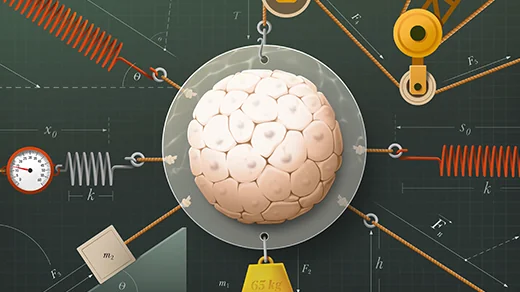
The realisation is part of a broader shift in developmental biology, in which genes are understood to work through physics rather than in spite of it. Genetic programs set up the materials and the gradients; the mechanics then do much of the sculpting. Recognising that division of labour helps explain how such complex forms arise from such simple instructions.