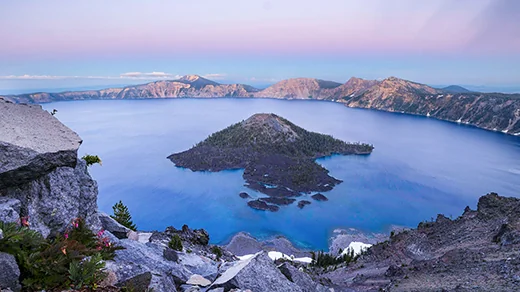
Deep lakes are not still. Wind, temperature and the slow churn of water at different densities combine to mix the layers, carrying oxygen and nutrients from the surface to the depths and back again. That circulation is the heartbeat of a lake, and at Crater Lake in Oregon, researchers have found that the beat is slowing.
Mixing depends on a delicate balance. In winter, surface water cools and becomes dense enough to sink, driving the process. Warmer winters and longer periods of stratification interrupt the cycle, and the effect compounds over years. Instruments deployed in the lake show that deep water is being renewed less frequently than in the past.
For the ecosystem the consequences are gradual but real. Less mixing means less oxygen reaching the depths, and a different distribution of the nutrients that support the food web. Crater Lake is unusual, with no inflows and a small catchment, which makes it a sensitive natural experiment. What happens there is a preview of what many lakes may face.