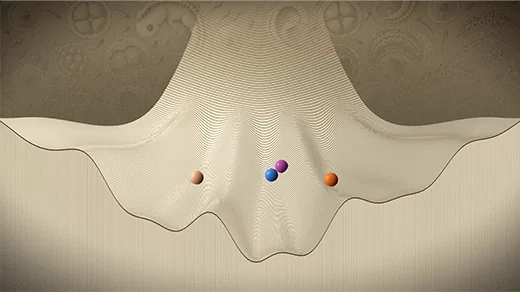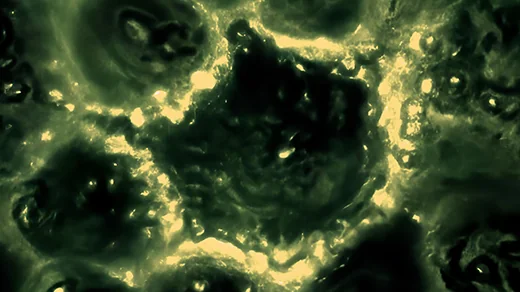
Every cell in your body maintains a voltage across its membrane, and that voltage is not just a by-product of metabolism. Tissues use electrical signals to coordinate growth, to decide which cells should divide and, in a striking recent finding, to expel cells that have gone wrong. The discovery is part of a renewed interest in the currents flowing through living systems.
The new work shows that healthy cells can detect abnormal neighbours and push them out of the tissue, and that the process depends on differences in membrane potential. When the electrical environment is disrupted, damaged cells survive and accumulate, a situation that resembles early stages of cancer. Voltage, in other words, appears to be part of the tissue's quality control.
Researchers in this field argue that bioelectricity is a distinct layer of biological information, sitting alongside genetics and chemistry. It is slower than nerve signalling but operates across whole tissues, and it may prove unusually easy to influence from outside. That possibility is already being explored for regenerative medicine and for repairing malformed organs.