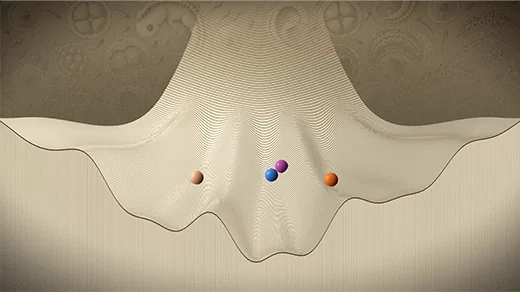
The brain contains an estimated hundred billion cells, and until recently, cataloguing them meant one laborious experiment at a time. Machine learning has changed the economics of that work. By analysing the genetic activity of millions of individual cells at once, algorithms can sort them into types, trace their developmental relationships and identify patterns no human could spot by hand.
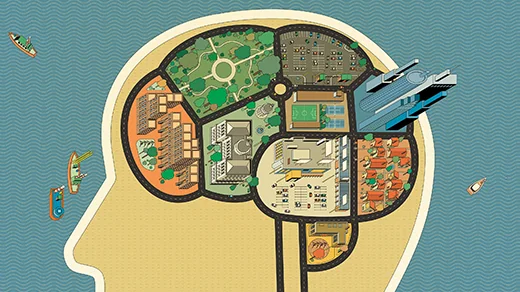
The results amount to a new kind of cartography. Where earlier atlases mapped anatomy, these maps describe molecular identity: which genes a cell switches on, which signals it responds to and which neighbours it resembles. The approach has already revealed that some categories long treated as single cell types are actually several, and that others are far more variable than expected.
Challenges remain. The algorithms are sensitive to the assumptions built into them, and clustering methods can produce tidy groupings from messy data. Researchers are developing ways to validate computational results against experiments, so that a neighbourhood on the map corresponds to something real in the tissue.