Beneath the soil of northern Alaska, out of sight and largely out of mind, lies a network of fungal filaments that connects plants across vast distances. These mycorrhizal fungi trade minerals and water for sugars, and in doing so they influence how much carbon the landscape stores or releases. As the Arctic warms faster than anywhere else on Earth, understanding that network has become urgent.
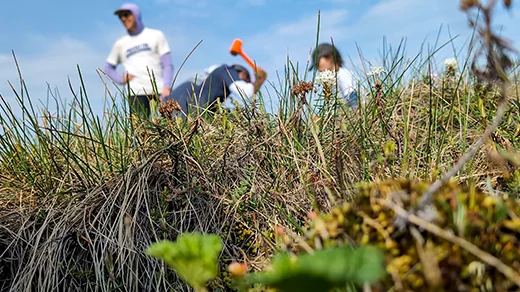
A research road trip across the state, and parallel expeditions at field sites around the world, is helping scientists map which fungi live where and what they do. The work is painstaking. Fungal diversity is enormous, most species cannot be cultured in a laboratory, and identification depends on sequencing DNA extracted directly from soil.
What is already clear is that these underground partnerships are not optional extras. They shape which plants can grow, how quickly organic matter decomposes and how much carbon escapes to the atmosphere. If thawing permafrost disrupts the fungi, the effects will not stay underground.