The familiar slogan of neuroscience, that neurons firing together wire together, describes a gradual process: repeat an experience and the connections strengthen. But some learning happens all at once. A single exposure to a new place can be enough to reshape how a brain cell responds, and researchers have now identified a mechanism that makes such one-shot learning possible.
The discovery concerns the hippocampus, a structure essential for forming memories of events. When an animal encounters a novel location, certain cells abruptly change which part of the environment they represent, and the shift persists for hours. The change depends on a brief burst of signalling that temporarily makes the cell unusually receptive to input, effectively opening a window during which a single experience can leave a permanent mark.
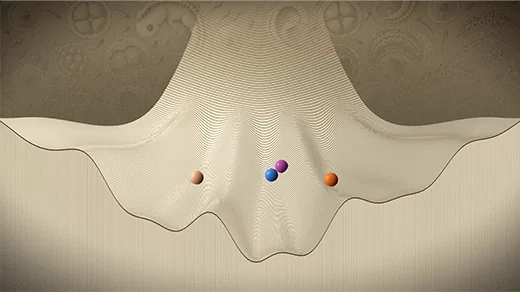
The mechanism helps reconcile two views of learning that had long sat awkwardly together: slow, incremental strengthening and sudden, discrete change. Both appear to operate in the same cells, on different timescales. Understanding how the brain switches between them could shed light on why some experiences are remembered vividly for a lifetime while others vanish.