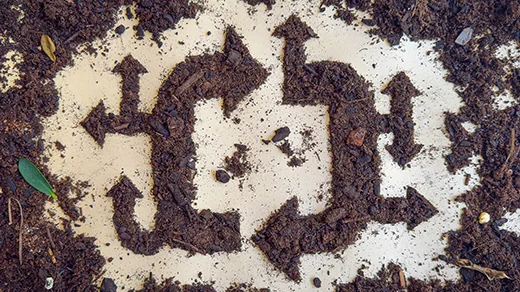
Sterilise soil thoroughly, seal it in a container, and chemistry should wind down. Instead, researchers reported something unexpected: for six years, lifelike reactions kept unfolding in soil that was supposed to be dead. The observations pointed to a metabolic theory for how biology might have begun, in which the planet's minerals themselves sustain the kind of self-organising chemistry that life depends on.
The claim was provocative, and it drew immediate scrutiny. Could the reactions be driven by something the sterilisation missed? Were trace contaminants responsible? The debate became a case study in how hard it is to prove a negative, especially when the negative is that nothing living is present.
Regardless of how it resolves, the work has pushed researchers to take nonliving chemistry more seriously as a participant in the origin of life. If simple geological settings can sustain cycling, energy-storing reactions over years, then the gap between geology and biology may be narrower than the textbooks imply, and the first cells may have emerged from processes that were already underway.