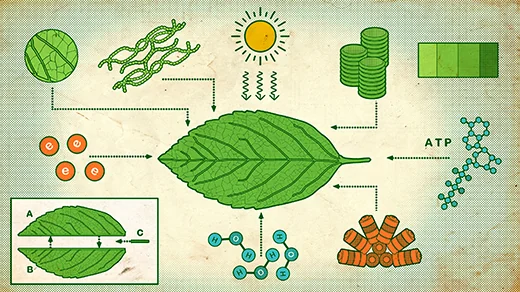
photosynthesis is the process that made the modern world possible, converting sunlight into chemical energy and, along the way, filling the atmosphere with oxygen. How it began is one of biology's great detective stories, and a lineage of cyanobacteria living in hot springs and microbial mats is helping researchers read the early chapters.
The ancestral versions of photosynthesis were probably simpler and less efficient than the machinery found in plants today. Early organisms may have harvested light without producing oxygen at all, using whatever molecules were abundant in the ancient ocean as electron donors. Only later did a lineage evolve the ability to split water, an innovation that flooded the planet with a reactive gas and set the stage for complex life.
Studying modern relatives of those early innovators gives scientists a way to test hypotheses about which components appeared first and in what order. Each comparison narrows the range of plausible histories. The work is slow, but it addresses one of the largest transitions in the history of life: how a biochemical trick turned a rocky planet into a living one.